

(Webinar) Compartment Syndrome: Achieving Zero-Miss, Low-Complication Outcomes Through Continuous Monitoring and PI-Driven System Change
Compartment syndrome is a potentially devastating complication that affects a significant percentage of orthopedic trauma patients.
The challenge is that traditional assessment strategies for this condition are unreliable, and clinical uncertainty often results in over-treatment. In fact, TQIP data show that the fasciotomy rate for at-risk patients is four times higher than the documented incidence of true compartment syndrome.
This webinar takes a close look at the significant risks associated with compartment syndrome, and it shows how trauma program leaders can improve both patient safety and resource utilization by integrating continuous monitoring into a robust PI framework.
Click below to view the webinar recording on demand and download the presentation:
During this one-hour session, orthopedic trauma surgeon Milan Sen, MD, provides an up-to-date clinical review of compartment syndrome in trauma. He examines the significant risks (and costs) of both under-treatment and over-treatment and discusses the challenge of identifying at-risk patients. He also explains the role of continuous intracompartmental pressure monitoring in patient management and shares data on how the MY01 Continuous Compartmental Pressure Monitor supports clinical decision making.
In addition, Angie Chisolm shows how to use PI processes and tools to create a practical strategy for reducing the risk of compartment syndrome in the trauma patient population. The focus is on using clinical data to identify the root causes of diagnostic delays, leveraging objective evidence to strengthen M&M reviews and using the PDSA framework to achieve durable system change.
Viewers will learn:
- The epidemiology of compartment syndrome and the limitations of subjective manual exams
- How system strain pushes many patients to unnecessary surgery and transfer
- How continuous, objective data enables confident “watch and reassess” decisions
- How to use a specialized grading system to drive performance improvement for this population
- How to use PI tools to reduce the incidence of both unnecessary surgery and delayed intervention
Sponsored by Optimal Healthcare Advisors, this webinar is designed for TMDs, trauma and orthopedic surgeons, TPMs, trauma PI coordinators, trauma educators and anyone responsible for preventing compartment syndrome and other high-risk complications that are difficult to monitor.
Presenters
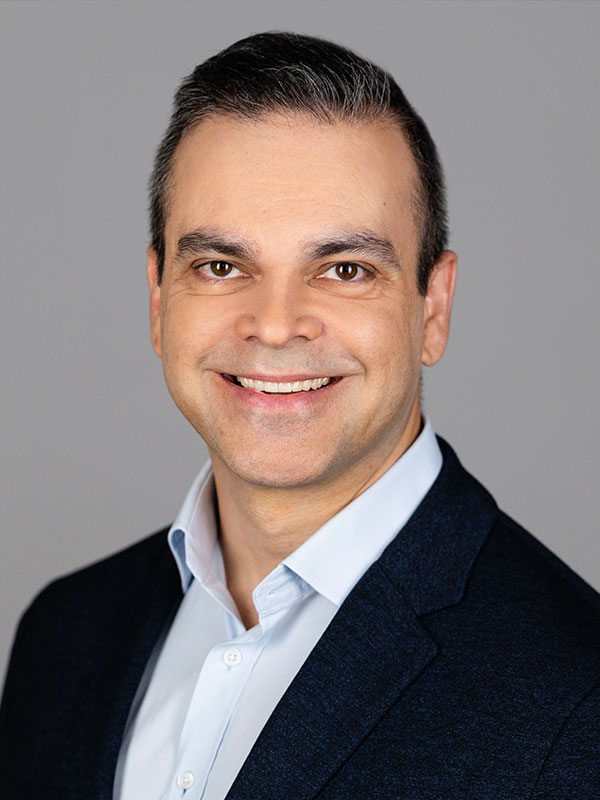
Milan Sen, MD, MBA, MS, FRCSC, FAAOS, FAOA, FIOTA
Chief of Orthopedic Surgery and Director of Orthopedic Trauma
NYC Health + Hospitals / Jacobi
Dr. Milan Sen is an orthopedic trauma surgeon who focuses on continuous improvement in care delivery, training, and outcomes. In addition to his leadership role at an ACS-verified adult Level I and pediatric Level II trauma center, he is an associate professor in the Department of Orthopedic Surgery at Albert Einstein College of Medicine. Dr. Sen is an active researcher who has authored several articles and book chapters and given over 300 lectures nationally and internationally. His primary interests include scapular fractures, fracture-dislocations of the wrist and elbow, pelvic and acetabular fractures, geriatric fractures, infection, nonunion, and nerve and soft tissue injury. Dr. Sen is actively involved in international health and development, and he has taken part in several volunteer medical missions to Tibet, Vietnam, Ghana and Haiti.

Angela Chisolm, MBA/HCM, BSN, RN, CFRN, TCRN
President
Optimal Healthcare Advisors
Angie Chisolm is a nationally recognized expert in trauma program management, trauma performance improvement, site survey readiness, and trauma coding and billing. She has helped trauma centers nationwide build effective trauma teams, establish efficient operations, implement quality initiatives, improve P&L performance, prepare effectively for ACS and state surveys, and upgrade their designation level.


