

Do Sensory Issues in Toddlers Mean Autism?
At its core, sensory processing is how the brain receives and responds to information from the environment: sounds, textures, light, movement, and more.
For many children, this system develops naturally. But for others, sensory issues in toddlers can mean that their brains process input differently—either too intensely, not enough, or in unpredictable ways.
Research published in Brain Sciences (MDPI) shows that sensory processing differences are highly prevalent in children with autism, affecting up to 90% of individuals on the spectrum.
That said, not every child with sensory challenges has autism. The key lies in patterns and context.
Sensory Overload in a Toddler: What It Looks Like at Home
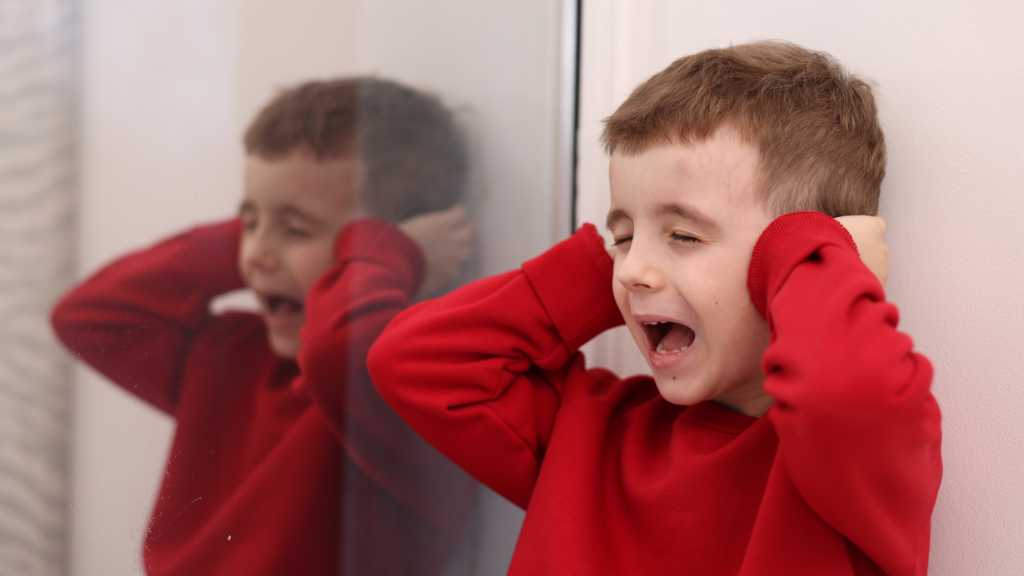
A sensory overload in a toddler doesn’t just feel uncomfortable—they feel overwhelmed.
You might notice:
- Covering ears or eyes in busy environments
- Sudden meltdowns without an obvious cause
- Avoiding crowds, bright lights, or loud noises
- Difficulty calming down after stimulation
This happens because the brain struggles to filter incoming information. According to a clinical study in the Journal of Clinical Medicine, children with sensory processing differences often show heightened neural responses to environmental stimuli, which can lead to emotional dysregulation.
In simpler terms, their brain receives “too much” input at once.
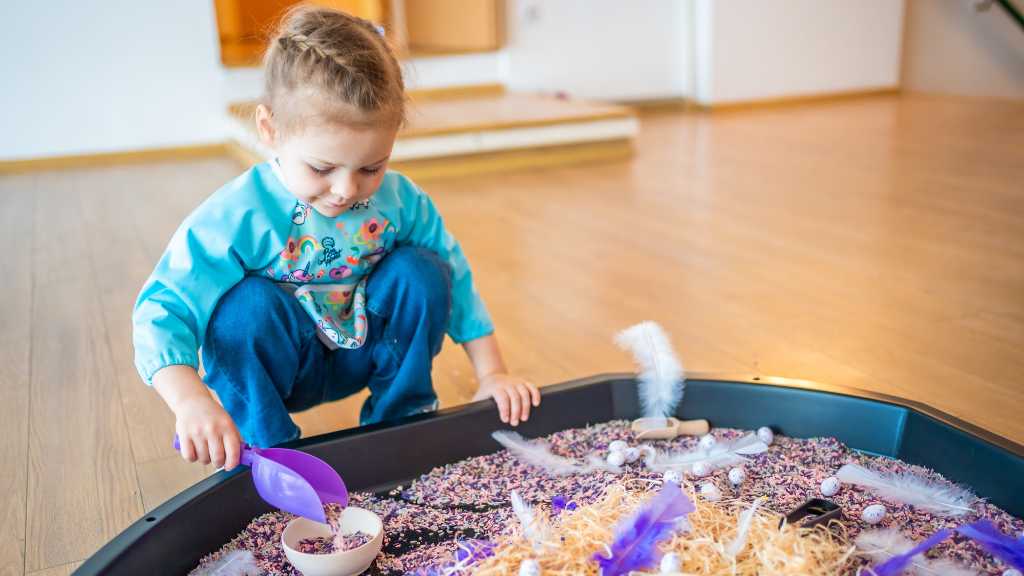
Sensory Seeking vs Sensory Avoiding
Not all sensory issues in kids look the same. Some children avoid stimulation, while others actively seek it out.
This distinction—sensory seeking vs sensory avoiding—helps explain very different behaviors that stem from the same underlying system.
To better understand these patterns, it helps to look at how a child’s brain responds to sensory input. Clinicians describe this using the idea of a “neurological threshold”—the level of stimulation needed for a child to notice and react to what’s around them. Some toddlers are highly sensitive and pick up even subtle input, while others need more intense or repeated stimulation.
When these differences combine with how a child responds—either actively (seeking or avoiding) or passively (sensitivity or low registration)—they form four common sensory patterns seen in young children.
|
Pattern |
Threshold |
Strategy |
Common Behavioral Characteristics |
|
Sensory Sensitivity |
Low |
Passive |
Easily overwhelmed; notices subtle changes; distracted by background noise |
|
Sensory Avoiding |
Low |
Active |
Withdraws intentionally; covers ears; avoids textures, foods, or environments |
|
Low Registration |
High |
Passive |
Seems unaware; doesn’t respond to name; appears disengaged |
|
Sensory Seeking |
High |
Active |
Craves intense input; constant movement; bumps into objects |
Why Do Sensory Issues in Toddlers Happen?
The science points to differences in how the brain organizes sensory input.
Neuroimaging and behavioral studies suggest that children with sensory processing differences—especially those with autism—may have:
- Altered neural connectivity affects how sensory signals are integrated
- Differences in sensory gating, meaning the brain struggles to filter irrelevant input
- Heightened or reduced responsiveness to stimuli
A study available through the National Institutes of Health highlights how these differences can impact not only sensory experiences but also attention, learning, and emotional regulation.
This is why sensory issues in toddlers often show up alongside:
- Delayed communication
- Limited eye contact
- Repetitive behaviors
- Difficulty with transitions
When these areas overlap, clinicians begin to evaluate for autism.
Sensory Issues in Kids vs. Autism: What’s the Difference?
Here’s where many parents feel stuck.
Because yes—sensory issues in kids can exist on their own. Some children simply have a more sensitive nervous system. Others may outgrow these challenges as their brains mature.
But when sensory behaviors connect with broader developmental differences, it may point to autism.
According to Medical News Today, the distinction often lies in social communication and behavioral patterns, rather than sensory symptoms alone.
For example:
- A child who avoids loud noises but still seeks interaction may not be on the spectrum
- A child who avoids sensory input and shows limited social engagement may need further evaluation
That nuance matters.


