

ABA Therapy Progress: What Families Can Expect
Prompts provide temporary assistance and should be reduced as the child becomes more independent.
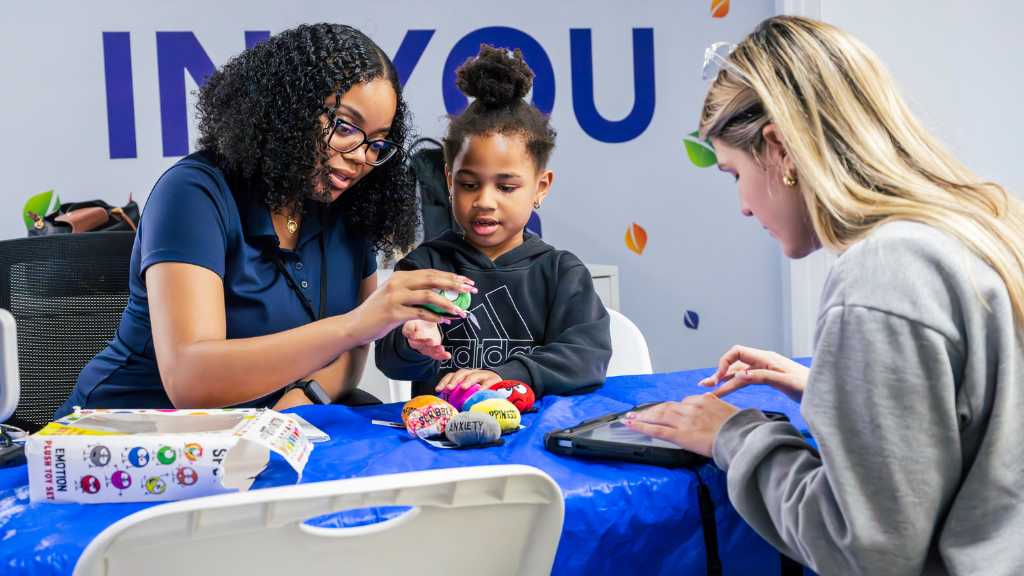
For families exploring what to expect from ABA therapy, sessions may look different depending on the child’s age and developmental needs. Young children may learn through play, songs, movement, books, sensory activities, and everyday routines. An activity may appear playful while still supporting specific ABA therapy goals.
How ABA Therapy Progress Is Measured
ABA professionals collect data to determine whether a child is moving toward their treatment objectives. Depending on the skill, the team may record:
- How often a behavior occurs
- How long it lasts
- How accurately a task is completed
- How much prompting is required
- Whether the skill occurs with different people
- Whether the child can use the skill in a new environment
The BCBA reviews this information to evaluate the effectiveness of the treatment plan. If the data show improvement, the team may continue the strategy or advance the skill. If progress is limited, the BCBA should investigate possible reasons and modify the approach.
Research demonstrates why ongoing participation and clinical review matter. A study published in the Journal of Developmental and Behavioral Pediatrics followed children referred for ABA-based services over two years. Researchers found that 66% remained in services after 12 months and 46% remained after 24 months. Although many children did not receive what the study defined as a full ABA dose, children with lower initial adaptive functioning experienced clinically significant gains after two years.
The researchers noted that treatment discontinuation and limited service participation may reduce potential benefits.
This research does not establish one ideal timeline or intensity for every child. Instead, it highlights the importance of individualized planning, consistent clinical oversight, and addressing barriers that may interfere with participation.
When Progress Is Uneven
Children may make rapid gains in one area while requiring more time in another. A child may improve communication before developing self-care skills. They may use a skill successfully with a therapist but not yet with a parent or teacher.
Progress may also slow temporarily because of illness, changes in sleep, a new school schedule, a different therapist, family transitions, or changes in the child’s sensory and emotional needs.
For parents researching what to expect from ABA therapy, uneven progress is important to anticipate. A plateau does not automatically mean therapy is ineffective, but it should lead to a thoughtful review.
Parents can ask:
- What does the recent data show?
- Has my child made progress on part of the goal?
- Does the skill need to be divided into smaller steps?
- Are the current reinforcers still motivating?
- Has the teaching strategy been changed?
- Are these still the most appropriate ABA therapy goals?
- Is my child using the skill outside therapy?
A strong clinical team should explain what the data means, what may be affecting progress, and what adjustments will be made.
Generalization: Using Skills in Everyday Life
A learned skill becomes more useful when the child can apply it with different people and in different settings. In ABA, this is called generalization.
A child may first learn to ask for help while completing an activity with a therapist. Later, the child may ask a parent for help opening a container, approach a teacher when a task is difficult, or use the same skill during a community outing.
Generalization is an important form of ABA therapy progress because it shows that the skill is becoming functional in daily life.
Caregiver involvement can support this process. Parents do not need to turn every routine into a formal therapy session. Instead, they may create brief opportunities to practice established ABA therapy goals during meals, playtime, dressing, outings, or bedtime.
Supporting Progress at Home
Families can support treatment by:
- Using communication strategies recommended by the clinical team
- Allowing the child enough time to respond
- Reinforcing attempts, not only perfect responses
- Practicing skills during familiar routines
- Sharing new concerns and successes with the BCBA
- Participating in caregiver training
- Maintaining consistent attendance when possible
When learning what to expect from ABA therapy, families should expect collaboration. Parents should understand why the team selected the goals, how skills are taught, and how progress is measured.
Progress reviews are also an opportunity to ask which skills have been mastered, what support the child still needs, and how treatment priorities are changing.
Avoid Comparing One Child’s Timeline to Another
It can be tempting to compare a child’s progress with stories from other families. However, autism affects every child differently, and ABA programs vary according to individual needs, treatment intensity, family priorities, and access to services.
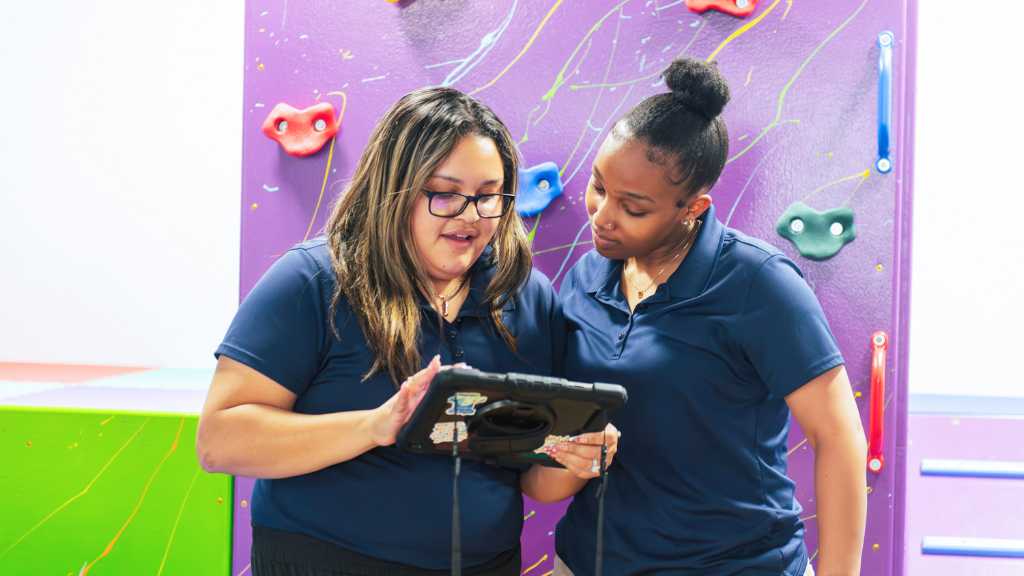
The most useful comparison is between the child’s current abilities and their own starting point.
For families in Massachusetts and New Hampshire, factors such as school schedules, insurance requirements, transportation, weather disruptions, and access to providers may affect how services are coordinated. Treatment plans should consider these practical realities while remaining focused on the child’s clinical needs.
Helping Your Child Move Forward
ABA therapy progress may appear through a new communication attempt, a smoother transition, a successful interaction, or a routine completed with less support. These moments may be gradual, but they can have a meaningful effect on a child’s confidence and participation in daily life.
Progress is not defined by perfection or a universal timeline. It is measured by whether treatment is helping the child develop practical skills that support communication, safety, independence, relationships, and quality of life.
ABA Centers of America provides individualized treatment guided by measurable goals, ongoing assessment, BCBA supervision, and family collaboration. To learn more about ABA therapy or request a consultation, contact ABA Centers of America at (844) 923-4222 or fill out our contact form.


