

What Is Early Intervention and How Do I Get It for My Child?
How to Get Early Intervention ABA for My Child?
Experts working with individuals on the autism spectrum all agree that early intervention ABA for autism is vital. We now know more about Autism Spectrum Disorder than ever before. Children with autism can be diagnosed as early as 18 months. Autism screening tools and the role of developmental pediatricians have become essential as we have come to recognize early warning signs more quickly and comprehensively.
Early autism screening ensures no child slips through the cracks, especially with the increasing prevalence of autism in young children today (1 in 31 in the US). As parents, we want what’s best for our children, but we don’t always know where to start. Early screening is an excellent jumping-off point!
At this point, the consensus among autism professionals is that specific treatment components like intensity, generalization, family involvement, and data are required for developmental success with autism. Many programs for children with autism currently have various philosophies and designs, but one remains the gold standard: Applied Behavior Analysis (ABA).
Many parents navigating an autism diagnosis with their toddlers may wonder: How do I get early intervention ABA for my child? The process often begins by speaking with your child’s pediatrician, completing an autism evaluation, and connecting with an ABA provider to create an individualized treatment plan.
So, keep reading this blog by ABA Centers of America to learn how early intervention ABA works, why timing matters, and how it can support your child’s development.
What Is ABA?

Applied Behavior Analysis is an evidence-based behavioral modification approach designed to provide critical intervention to individuals (primarily babies, toddlers, and elementary-age kids) with autism. Most commonly, it is for children experiencing delays related to their developmental milestones.
Early intervention ABA can benefit the experience for many children, helping build skills early. These are tools children will use for the rest of their lives. Another benefit of early autism therapy with ABA is that behaviors are shaped before they are overly learned or ingrained.
Early intervention ABA can often help with severe delays and challenging behaviors before they worsen. Within the field of ABA, professionals analyze collected data to understand what drives behavior. This includes its function and the surrounding environment.
Additionally, ABA works to address challenging behaviors and build new positive skill sets. As a result, early autism therapy with ABA is a beneficial and innovative approach for working with children with autism.
Why Is Early Intervention ABA So Critical for Children with Autism?
While ABA treatment can be effective for individuals of all ages, data has proven that therapy is most effective for children when they begin before age 5. For a program to be deemed “early intervention,” it must start before the child reaches four. With that said, many children will begin therapy between 18-30 months old.
While this may seem extreme, the American Academy of Pediatrics recommends that all children between 18-24 months be screened for autism. Doing so ensures children do not go undetected and miss the treatment they need. Knowing your child has or may have autism early makes it easier to shape behaviors and improve the ability to learn.

What Else Do I Need to Know About Early Autism Therapy with ABA?
There are many benefits of early autism therapy with ABA for children. Still, they come with hard work from a fantastic therapist and the child. Families and the surrounding team also play a role in developmental success, so everyone must be a team player. Often, children with autism who receive early intervention spend a minimum of one year receiving services.
Some children attend daily sessions equating to more than 25 hours a week. It is critical to remember that every child has unique strengths, capabilities, and needs that will dictate so much of the program. The Board Certified Behavior Analyst (BCBA) assigned to your case will assess your child to produce a treatment plan that is individualized to your child’s needs. ABA therapy should never be a one-size-fits-all treatment.
What Are the Benefits of Early Intervention ABA?
Children with autism enrolled in an early intervention ABA program have an increased likelihood of building massively critical developmental skills. These include social skills, language, and communication. Studies also show that early autism therapy with ABA can help raise a child’s IQ over time.
What Is the “Plastic” Brain?
The reason there is such an emphasis on early intervention ABA is pretty straightforward. It has to do with the brain’s ability to form new connections (known as plasticity). While the brain can do this throughout life, there are sensitive periods in brain development when it is most ready and has the greatest capacity to change.
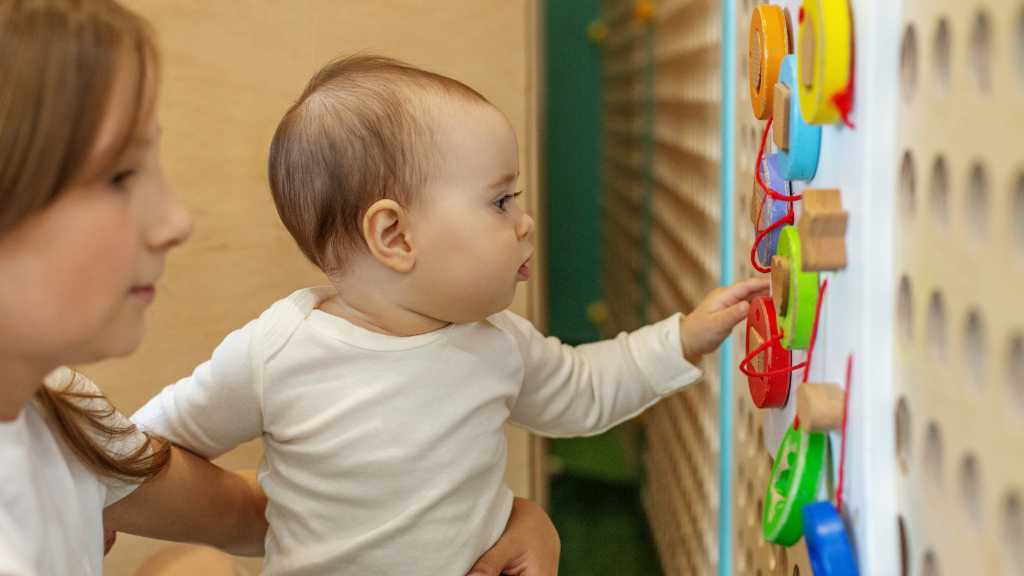
This change is based on the child’s experiences. Experiences alter brain function and development. Children with autism have foundational deficits in how they consume information from the world around them. If they can receive early support, it may be possible to minimize their struggles.
Studies now measure age-equivalent scores in children with autism. Children receiving 20 or more hours of early autism therapy with ABA are more likely to attain age-equivalent scores than peers who received little to no support. Additionally, the verbal skills of children who received ABA therapy through age five improved more rapidly over seven years than peers who received little or no treatment.
Other studies showed that in children who started early intervention by age two (including behavioral, speech, occupational, and special education services), some had overcome their challenges associated with autism altogether by age six. While there is no cure for autism, for some children, early intervention ABA can ease their lives remarkably and catch them up to their peers.
In another study that involved 1 out of 80 children with autism, at 2 years old, the children moved higher on the autism spectrum by age 9. In addition, 20% of them moved out of the spectrum. These are considered optimal outcomes by many. While for some, it will not be possible, it does happen. Many believe such progress is the result of the targeted approach of the treatments now available. ABA is the most studied, supported, and understood therapy for autism.
What Does a Behavioral Approach Entail?
As mentioned earlier, the core behavioral approach to autism is Applied Behavior Analysis. It encompasses structured teaching, most often on a one-to-one basis. A reward system is created to motivate the child’s achievement of goals and learning. Some essential ABA instructions include making appropriate eye contact and using speech for communication. Rewards typically include access to preferred items or activities, snacks, stars, and praise, among other reinforcers.
Classic ABA principles work by increasing certain behaviors through reinforcement. Data collection and record-keeping are vital to the integrity and effectiveness of any ABA program. The Registered Behavior Technicians (RBTs) and Board Certified Behavior Analyst (BCBA) working with your child will take attentive notes on your child’s progress and ability. BCBAs will measure behaviors to evaluate patterns and new understandings. RBTs will assess improvement and evaluate how effective a program is. Anything that is not working will be discontinued or modified.
Usually, your BCBA will include discrete trial teaching in their treatment plan. Discrete trial teaching involves breaking practical tasks into their smallest steps, which are taught individually. Additionally, RBTs will introduce verbal behavior and language.

How Can Early Intervention ABA Help a Child So Young?
Getting a diagnosis is only the first step. Working with a child in their early stages would involve teaching both the child and their parents. In most cases, the BCBA would focus on a few primary goals. These would include strengthening the parent’s skills in coping with a neurodivergent child, learning age-appropriate play skills, and finding ways to interact that encourage joint attention. The child would work on socialization and communication skills in a nursery-like setting.
Ongoing studies show transformative results in socially engaging, appropriate communication and play, and substantial positive shifts in parenting when treatment starts in early development.
What Is Autism Spectrum Disorder Exactly?
Autism Spectrum Disorder is a developmental and neurological condition characterized by three core deficits:
- Struggles with socialization and relationships
- Challenges in communication through language
- Repetitive, restrictive patterns of behavior, interests, or activity
It is essential to recognize that this condition occurs along a spectrum. The severity level can vary among patients. Autism can be diagnosed at any time in an individual’s life. The CDC describes it as a developmental disorder because symptoms are believed to manifest in the first two years of life.
The Future of Early Autism Therapy
The future is hopeful, given the science, data, and the growing body of evidence on the power of early intervention for autism. We look towards a more accessible and inclusive future for the neurodivergent. We can now create treatment plans to help toddlers build skills they will value for a lifetime. The goal isn’t to cure autism but to enrich the lives of those touched by it. The more we understand, the more help there will be for families seeking a better quality of life for their children.
Early Intervention ABA at ABA Centers of America
ABA Centers of America values early intervention. We see the difference it makes in families’ lives and the ease it brings to everyday life. For more information about our services, who we are, and how we can help, call us at (844) 923-4222 or visit our website. We have no waiting list and accept most insurance plans.


