

3 Tips for Stress-Free Air Travel
Is it Possible for Children with Autism to Fly on Airplanes?
Autism and airplanes can feel like an overwhelming combination for many families. The idea of navigating crowded airports, loud engines, security lines, and long flights is stressful enough on its own. Add sensory sensitivities, communication differences, or anxiety, and it becomes understandable why some parents of loved ones with ASD hesitate to make travel plans.
Many families ask: Is it possible for children with autism to fly on airplanes?
The short answer is yes. However, it may require preparation, understanding, and the right support. Every child on the autism spectrum is different, and so is every travel experience.
Fortunately, with thoughtful planning and awareness of potential challenges, flying can become not only manageable but meaningful and rewarding.
In this blog by ABA Centers of America, we’ll explore why airplanes can cause travel stress for some individuals on the autism spectrum, outline practical steps families can take, and discuss how support systems like ABA therapy and early intervention can make a real difference.
So, keep reading to learn more!
Why Autism and Airplanes Can Be Challenging: Sensory Issues, Anxiety, and Air Travel Stress
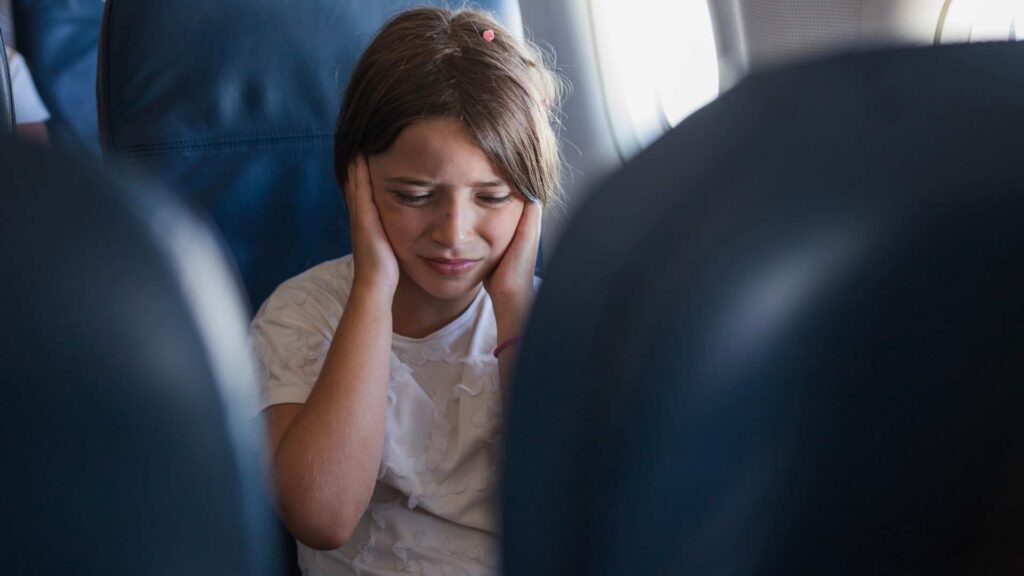
When people talk about autism and airplanes, they’re often referring to the unique sensory and emotional challenges that air travel can present.
According to research by the National Library of Medicine, many individuals with autism experience heightened sensory sensitivities that make environments like airports especially overwhelming.
Airports are filled with bright lights, constant announcements, crowds, unpredictable delays, and unfamiliar procedures — all of which can increase anxiety and sensory overload.
On airplanes themselves, additional stressors that may come into play include:
- Loud engine noise during takeoff and landings
- Changes in air pressure
- Confined seating
- Strong smells
- Unexpected turbulence
- Limited movement
For someone who relies on routine and predictability, flying can feel chaotic. Sudden changes, such as gate switches or delays, can significantly increase travel stress for individuals with autism.
Research also highlights how anticipatory anxiety — worrying about what might happen — can begin long before departure. For children with ASD, this anxiety may show up as meltdowns, withdrawal, repetitive behaviors, or resistance to travel plans.
Understanding these challenges is the first step. Children with ASD are not being “difficult.” Their responses are typically rooted in how the brain processes information, sensory input, and change.
Preparing for Autism and Airplanes: Practical Tips for Travel Experiences with Autism
Preparation can transform the experience of autism and airplanes from overwhelming to manageable.
Here are practical strategies drawn from travel and ABA therapy experts:
-
Familiarize Your Child with the Experience
Social stories and visual schedules can be powerful tools. Creating a simple step-by-step guide of what will happen — such as arriving at the airport, going through security, and boarding the plane —can help reduce uncertainty.
Some airports offer “practice runs” or rehearsal programs that allow families to walk through the airport experience without actually flying. These programs help children build familiarity in a low-pressure setting.
You can also:
- Watch videos of airplane takeoffs and landings
- Look at pictures of airport security procedures
- Visit the airport viewing area before the trip
Predictability reduces fear.
-
Plan for Sensory Comfort


