

Social Development & Autism Signs
2-Year-Old Milestones: What Social Development Looks Like
The CDC describes developmental milestones as skills most children can do by a certain age. At 2, social-emotional skills include noticing when others are hurt or upset and looking at a caregiver’s face to decide how to react in a new situation. These 2-year-old milestones matter because they show how a child connects, learns, and seeks reassurance. The CDC milestone guidance encourages parents to act early when concerns appear.
At this age, children often want independence before they can manage their feelings. UNICEF notes that many 2-year-olds copy adults and other children, get excited around peers, show more independence, and may become defiant. That mix can look like progress and struggle in the same afternoon.
Common Social Skills at Age 2
Parents may notice 2-year-old milestones during ordinary routines:
- Looking back at you before trying something new
- Copying your actions during play or chores
- Showing excitement around other children
- Noticing when someone cries or seems upset
- Using gestures, words, or facial expressions to connect
These skills do not need to happen perfectly. A tired toddler may ignore a greeting. A hungry toddler may refuse to share. The bigger question is whether your child shows a pattern of connection over time.
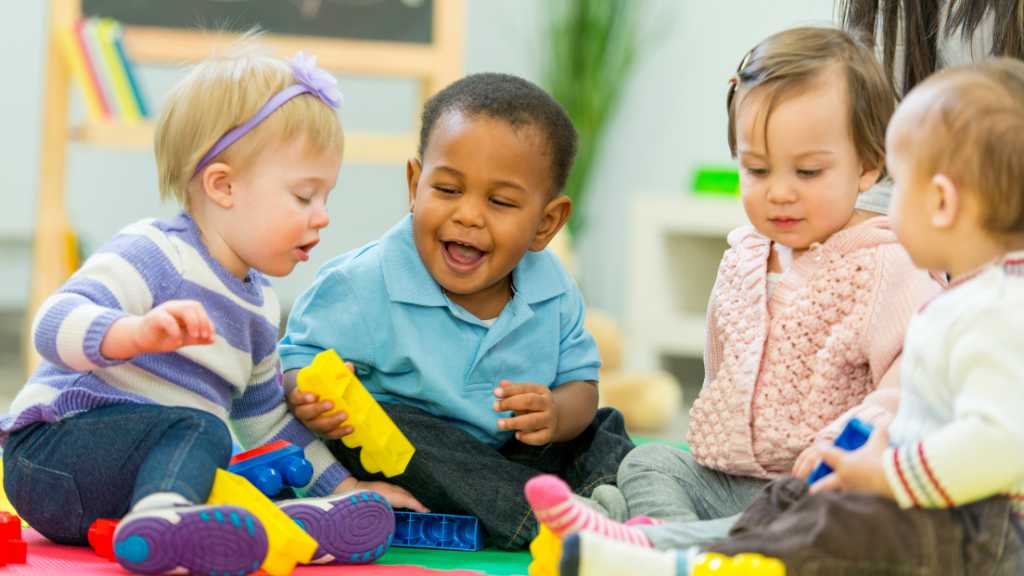
Toddler Social Milestones Parents Can Watch For
Toddler social milestones often begin with imitation. Your child may pretend to talk on the phone, feed a doll, sweep the floor, or copy a sibling’s dance move. These small acts show that your child watches people and learns through them.
2-year-olds often play beside other children rather than with them. They may act possessively, struggle with sharing, and still seem self-focused. That can fit typical development. The American Academy of Pediatrics’ social development guidance reminds parents that cooperative play takes time.
What Counts as Social Progress?
Toddler social milestones may include:
- Parallel play near another child
- Brief turn-taking with support
- Pretend play with familiar objects
- Bringing an object to show a caregiver
- Copying emotions, words, or actions
These toddler social milestones help children practice attention, communication, and emotional learning. They also help parents notice when a child seeks connection in their own way.
Developmental Milestones at 24 Months: Communication and Connection
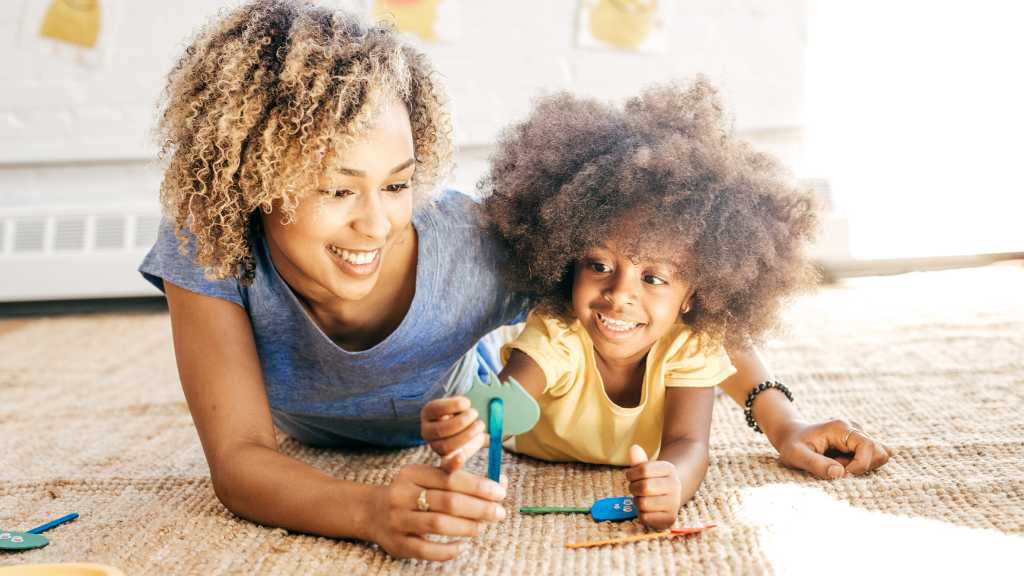
Developmental milestones at 24 months include more than how many words a child says. Social communication also matters. The CDC lists skills such as pointing to objects in a book, saying at least two words together, pointing to body parts, and using gestures beyond waving and pointing. 24-month milestones connect language, gestures, and social attention.
Other research also describes 2-year-olds as using short phrases, repeating words, following simple instructions, naming familiar objects, and pointing when objects are named. These developmental milestones at 24 months show how language grows through interaction.
Why Shared Attention Matters
A child who points to a dog, looks back at you, and waits for your reaction practices several skills at once. They share attention. They invite language. They build a social loop.
Research on peer interaction in young children shows that early social skills develop through repeated exchanges: watching, approaching, responding, and repairing. That is why developmental milestones at 24 months often appear during play, transitions, and simple routines. Research on peer interaction among 2-year-old children supports the idea that social growth occurs through practice rather than pressure.
Signs of Autism in 2-Year-Old Children
Some children meet 2-year-old milestones later than others. A delay does not automatically mean autism. Still, parents should take repeated concerns seriously. The goal is not to label every tantrum or quiet moment. The goal is to notice patterns early enough to support the child.
Possible signs of autism in 2-year-old children may include fewer gestures, limited imitation, reduced pretend play, less back-and-forth interaction, difficulty following simple directions, or loss of skills. UNICEF advises parents to talk with a healthcare provider if a 2-year-old does not use common objects, does not use two-word phrases, does not copy actions or words, does not follow simple directions, walks unsteadily, or loses skills.
Red Flags Worth Discussing
Parents may notice signs of autism in a 2-year-old’s development during everyday life:
- Your child rarely points to show interest
- Your child does not often copy sounds, gestures, or actions
- Your child seems less interested in back-and-forth play
- Your child loses words, gestures, or social skills they once used
The CDC also tells parents not to wait when a child misses milestones, loses skills, or raises concerns. Families can speak with the child’s doctor, ask about developmental screening, and request early intervention support.


