
Behavior Analysis

Unconditional Celebration at Night to Shine 2026
Night to Shine 2026 back on Friday, February 13th 2026 The night didn’t just sparkle—it embraced. Night to Shine 2026 was not simply an event circled on a calendar. It was a movement of unconditional love that stretched across cities, churches, and continents. For one extraordinary evening, the world slowed down long enough to say […]

Creating Positive and Meaningful Connections Through ABA Approaches in 2026
Great moments shared with my friends at the All-Friends Network event on 2/3/26 Connections and friendships sit at the heart of what makes life meaningful. They bring warmth on hard days, laughter in unexpected moments, and the comfort of knowing you belong. For autistic individuals, forming and maintaining friendships can sometimes feel confusing, exhausting, or […]

Acceptance and Commitment Therapy (ACT) for ASD Families
Everyone faces difficult emotions at times. Stress, worry, frustration, and unwanted thoughts can disrupt daily life at home, school, or in social situations. For families raising a child or teen with developmental differences, such as autism spectrum disorder (ASD), these challenges can feel even more intense. Acceptance and Commitment Therapy, also called ACT, is […]

Transformative Scholarship Program Aims to Bolster Autism Care Workforce
ABA Centers Celebrates Inaugural Cohort of ABA Master’s Graduates from Temple University Driving the Next Generation of BCBAs ABA Centers proudly celebrated the graduation of its inaugural cohort of scholarship recipients from Temple University’s Master of Science in Applied Behavior Analysis (ABA) program. Completing their studies this past December, the eight graduates in this cohort […]

Valentine´s Day for Children with Autism: Tips for Families
Why Valentine´s Day for Children with Autism Can Feel So Hard Valentine´s Day looks simple on the surface: cards, candy, hugs, and hearts. But Valentine´s Day for children with autism often combines multiple stressors into one short window of time. The Sensory Load Bright colors, loud music, strong smells, scratchy clothes, and unfamiliar foods all […]

Celebrating Neurodiverse Hearts in 2026
Celebrating neurodiverse hearts in 2026 has been less about creating a slogan and more about noticing the real moments that make inclusive education meaningful. This year taught me that celebrating neurodiversity isn’t just a feel‑good idea—it’s a daily commitment to understanding how different brains experience the world, how emotions rise and settle, and how small […]

Supporting Autistic Well-Being in January 2026
Focusing on my well-being allows myself as an autistic person to experience genuine happiness and peace January often arrives carrying the weight of expectations. New goals, renewed motivation, and a cultural push to improve can feel unavoidable. For autistic individuals, however, the start of the year can bring heightened stress rather than inspiration. Supporting autistic […]
Everything Parents Want to Know!
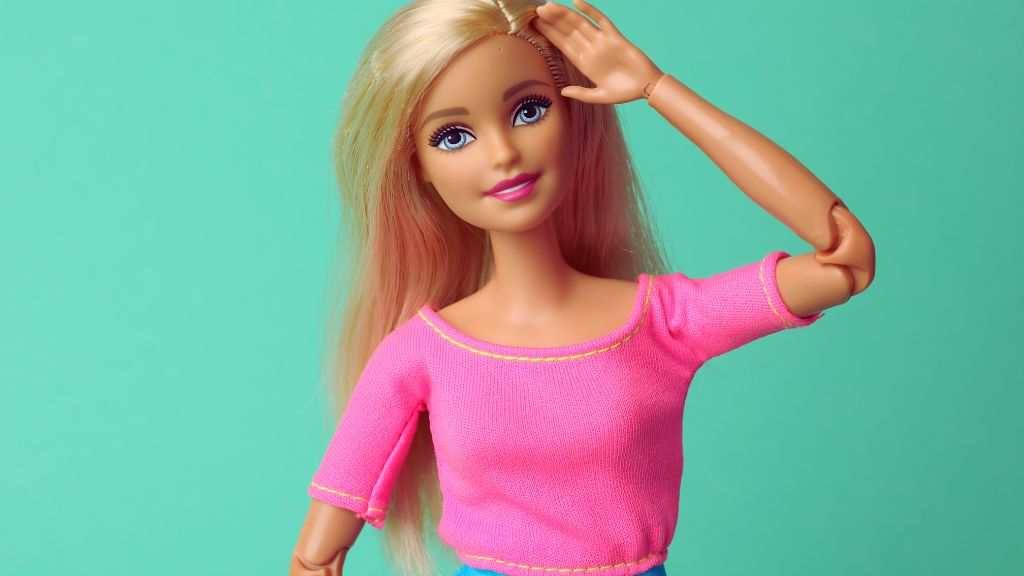
Families raising children with autism spectrum disorder (ASD) are often looking for ways to make their world more welcoming and inclusive—from schools and community spaces to the toys their kids love. Parents, educators, and advocates keep pushing for thoughtful representation that feels real and meaningful. Mattel’s new Autistic Barbie has people talking. Many parents are […]

Authentic Goals Without Burnout – An Autism-Informed New Year Approach
As 2026 begins, many people feel pressured to set ambitious goals and commit to dramatic self-improvement. For autistic individuals, this traditional New Year mindset often leads to stress, overload, and eventual burnout. An authentic approach to goal setting offers a healthier alternative—one that is informed by neuroscience, lived autistic experience, and long-term sustainability rather than […]

5 Factors + 7 Parent Strategies
Does your child blurt things out, grab items without asking, or go from calm to overwhelmed in seconds? When this happens repeatedly, many parents find themselves asking: Is there any way to manage impulse control and autism spectrum disorder? The answer, in short, is yes. While impulse control challenges are common for many within the […]